Abyssinian
Features


Origins
The exact origin of the Abyssinian remains a matter of debate among cat breed historians. Although its name suggests an Ethiopian origin (Abyssinia was the historical name for Ethiopia), the most recent genetic research suggests that the breed developed in Southeast Asia, possibly in the coastal area of the Indian Ocean. What is certain is that the first documented Abyssinian arrived in Great Britain in the second half of the 19th century, supposedly brought by soldiers returning from the Abyssinian wars.
The first detailed description of the breed appeared in Harper's Weekly in 1872. British breeders were the first to establish the breed standards, and in 1882 the Abyssinian was officially recognized in the United Kingdom. Throughout the 20th century, the breed gained popularity in Europe and North America, although its numbers were drastically reduced during the two world wars.
Today, the Abyssinian is one of the most popular breeds in the world, especially valued by active people who seek a cat with personality and independence. Its wild feline appearance and energetic behavior make it a fascinating animal for those who enjoy a cat that actively interacts with its environment.
Characteristics and aptitudes
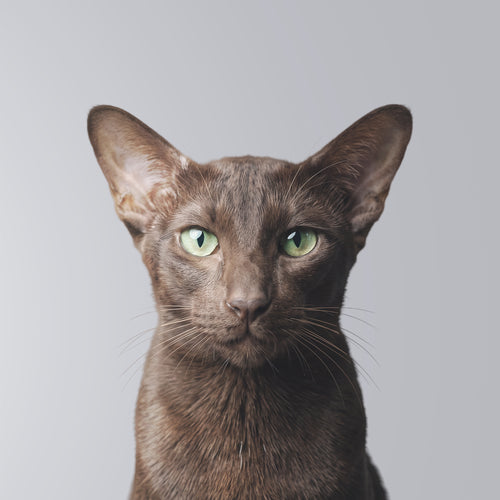
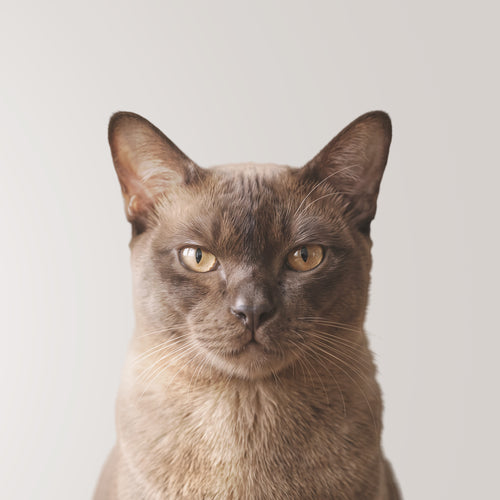
The Abyssinian is a medium-sized cat, with a muscular and arched body that conveys agility and power. Its head is wedge-shaped with rounded contours, and its large, wide-based ears are one of its most distinctive characteristics. The almond-shaped and expressive eyes can be golden, green or amber, always framed by a fine dark border that accentuates its expression.
The most characteristic feature of its coat is the ticked or agouti pattern: each individual hair has two to four alternating color bands, which produces an iridescent effect reminiscent of a wild cat. In the most traditional variety, the base color is ruddy, a mixture of orange-red and black.
In terms of temperament, the Abyssinian is one of the most active and curious cats that exist. It loves to explore, climb and play, and rarely stays still for long. It is a very intelligent cat that learns quickly and needs constant stimulation. Although it is affectionate with its family, it is usually not a lap cat: it prefers to be active and participate in everything that happens around it.
Care
The care of the Abyssinian's coat is relatively simple thanks to its short, dense hair. Weekly brushing with a natural bristle brush or a rubber glove is sufficient to remove dead hair and maintain its shine. It is important to pay attention to dental hygiene, which in this breed can be problematic.
The Abyssinian needs an enriched environment: tall scratching posts, accessible shelves, interactive toys and daily play sessions are essential for its well-being. A bored Abyssinian can become destructive or develop anxious behaviors. It is especially recommended to keep it in pairs if the owners spend many hours away from home.
The diet should be of high quality, rich in animal proteins and with a moderate carbohydrate content. Annual veterinary check-ups are essential to monitor the renal and ocular health of this breed.
Most common diseases
Renal amyloidosis is one of the most serious diseases to which the Abyssinian may be predisposed. It consists of the abnormal deposition of amyloid proteins in the kidneys, which can lead to chronic kidney failure. Early detection through regular urine and blood tests is fundamental for the animal's well-being.
Progressive retinal atrophy (PRA) is another hereditary condition that can affect this breed, causing a gradual loss of vision that can lead to blindness. Genetic tests allow the identification of carriers of the mutated gene. Periodontal disease is also common in Abyssinians.
Give your Abyssinian the best nutrition with OnlyFresh, with high-quality proteins that adapt to its active metabolism and specific needs, so that it maintains its energy, agility and health throughout its life.