
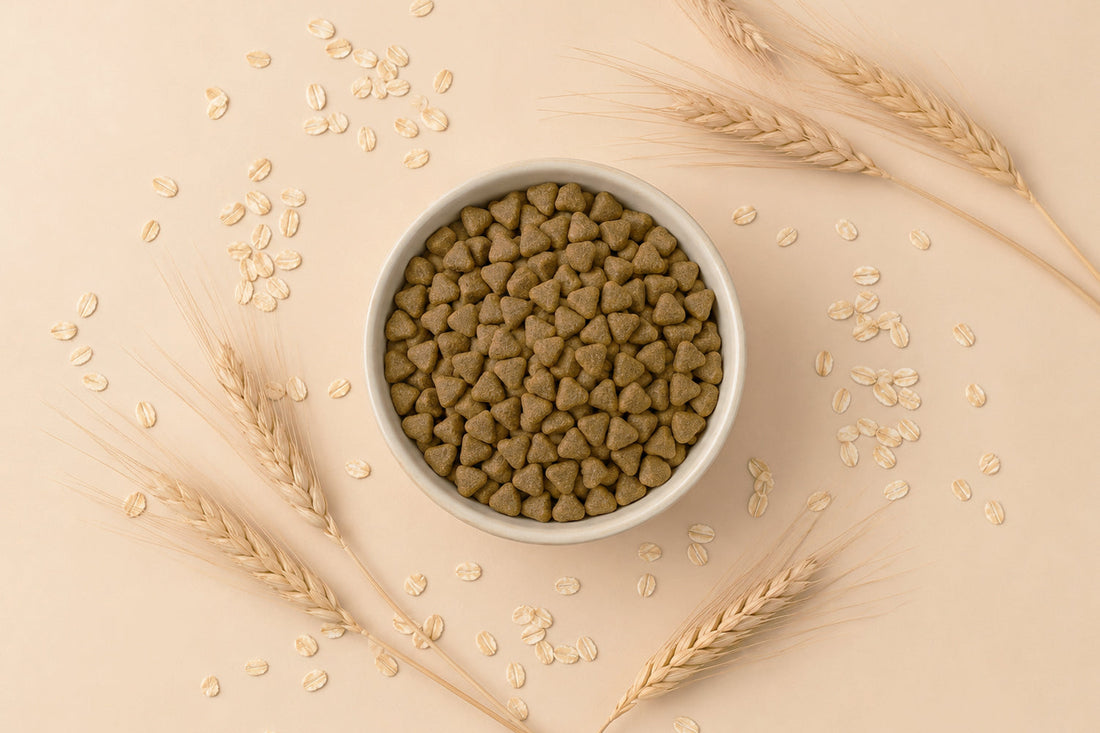
The main reason why most cat foods include grains is the cost of ingredients: meat and fish are more expensive than rice and wheat. However, domestic cats are carnivores. That is why grain-free cat food is the best option, especially if your cat has digestive problems, allergies, intolerances, or has been neutered.
What are the benefits of grain-free cat food?
Grain-free cat food has a high content of animal proteins, which offers the following benefits to our feline companions:
- Aids digestion. As carnivores, cats digest proteins and fats better than carbohydrates. A grain-free diet improves intestinal health and increases nutrient absorption.
- Reduces allergies and intolerances. Grain-free food reduces the chance of allergic reactions, as many cats are allergic or intolerant to the grains found in most cat foods.
- Provides a more balanced energy supply. Grain-free food releases energy more gradually, avoiding blood sugar spikes and reducing fat accumulation.
- Helps prevent intestinal blockages. A quality grain-free diet is often rich in dietary fibre, which reduces hairball formation and prevents intestinal blockages.
Why is grain-free food recommended for neutered cats?
When neutered, cats become less active and eat more. This causes weight gain that can lead to serious health problems. To prevent obesity, in addition to adjusting daily food portions, a special diet for neutered cats is recommended. Grain-free food for neutered cats is the best choice for weight control: its low carbohydrate content and high fibre levels help the cat feel full without eating more than it needs.


How to choose good grain-free cat food?
For grain-free cat food to be complete, healthy and high quality, it must have the following characteristics:
- Include quality proteins. The best grain-free foods are formulated with a single high-quality animal protein source, such as salmon, hake, turkey, rabbit or lamb.
- No meat flours. Avoid foods made with meat flours and other animal by-products. As low-quality proteins with little nutritional value, cats have difficulty digesting them.
- Digestible carbohydrates. Carbohydrate sources in grain-free foods should be light, healthy and easily absorbed, such as pumpkin, carrots or potato.
- Incorporate dietary fibre. Good grain-free cat food should also include dietary fibre to promote gastrointestinal transit and prevent hairball formation.
Dry food or wet food without grains?
Many cat owners wonder whether it is better to choose grain-free dry food or wet food without grains. The answer depends on the needs of each cat. Wet food has a higher water content, which helps prevent kidney and urinary problems that are particularly common in adult cats. On the other hand, dry food is more convenient and helps maintain good dental health. The ideal approach is to combine both formats to offer your cat a varied and complete diet.
What type of food is best for your cat?
Grain-free cat food is an excellent option for neutered cats, cats with allergies, or cats with digestive problems. However, if your feline companion has no special needs or sensitivities, you can also offer food with grains, as long as it is formulated with natural and high-quality ingredients. If you have any doubts about your cat's diet, do not hesitate to ask your trusted vet for advice.


